
Photography
How to share a wedding photography moodboard without recreating Pinterest
A few photographs can help us understand your taste. The useful part is knowing what you see in them.
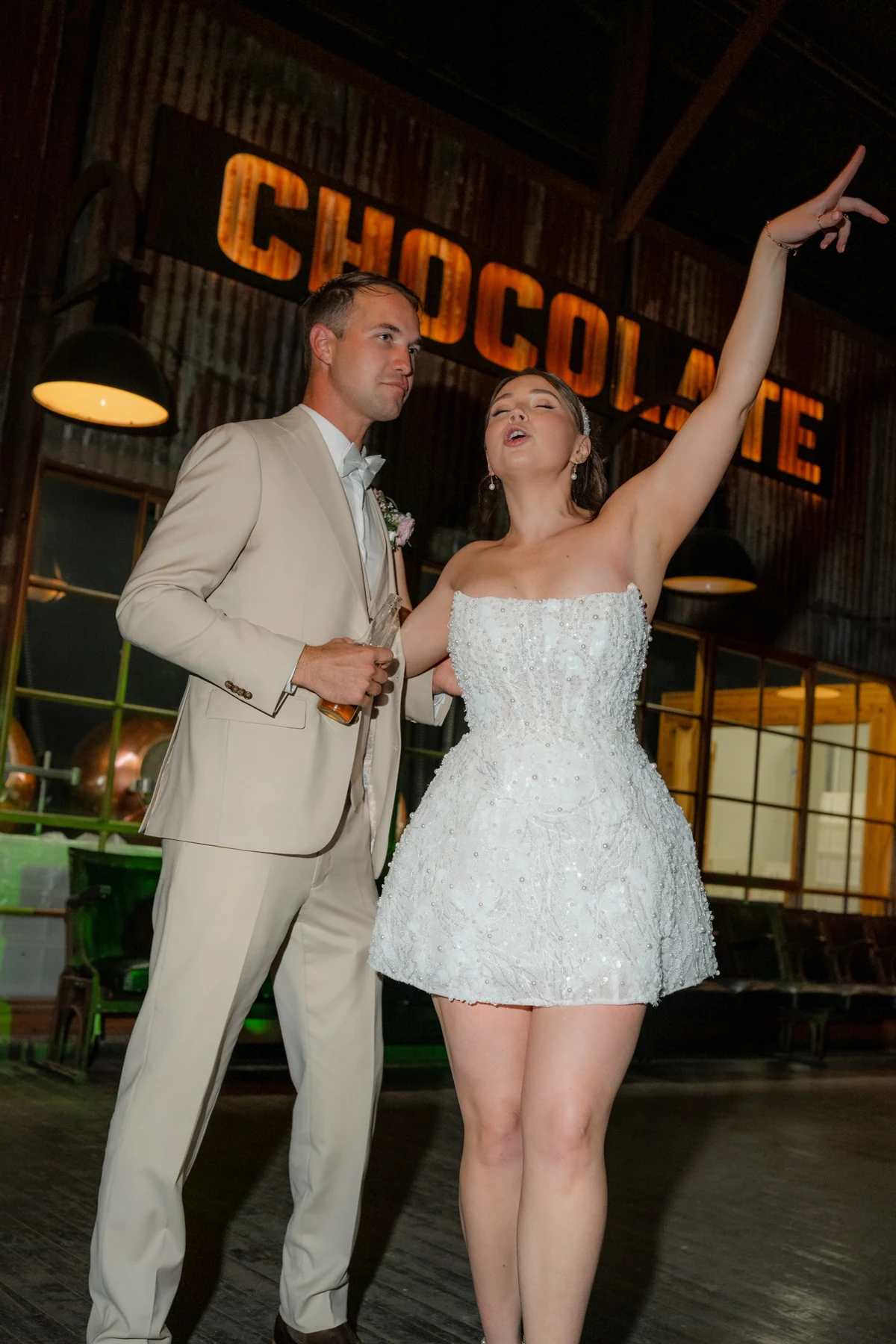
You’ve saved a collection of wedding photographs you love, but they don’t all look alike. Some are quiet and intimate. Others are full of movement, or have a kind of polish you’re not quite sure how to describe. It can be difficult to explain what connects them without asking for those exact photographs.
A moodboard can be a useful starting point. We use references to understand what you’re drawn to, alongside the people, setting and experience of your own wedding. The aim isn’t to arrive with another couple’s gallery to reproduce. It’s to give us a clearer sense of your taste, then make photographs that belong to you.
01
Tell us which part of the photograph you love
A single reference can contain several quite different ideas. You might have saved it for the direct light and strong shadows, while we notice the formal pose or the building behind the couple. A short note removes that guesswork.
Try finishing the sentence, ‘I love this because…’ You could be responding to the space around the people, the closeness of the composition, the rich colour or the fact that the couple seem completely absorbed in each other. You don’t need to know the photographic term. ‘We love how small they are within the landscape’ is more useful than labelling the whole image editorial.
It helps to say what you don’t mean, too. ‘We like the light, but the pose feels too formal for us’ gives us something specific to work with.
02
Keep photography references separate from styling ideas
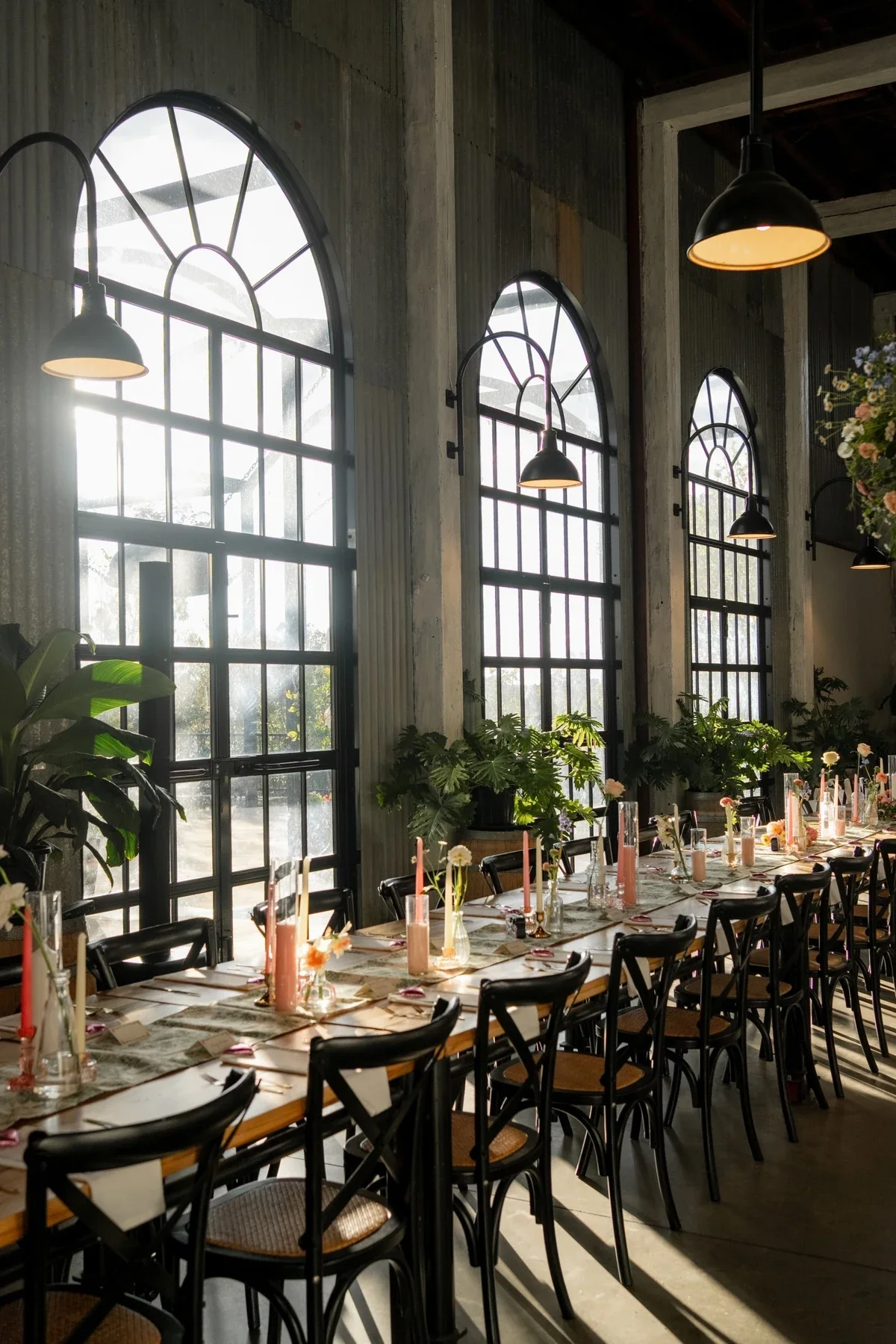
An image you love for its flowers doesn’t necessarily describe the way you want to be photographed. The same is true of a dress, a room or a particular colour palette. Those choices matter, but they answer a different question.
If your board includes both, give them simple labels. One group can show the atmosphere and design you’re planning with your creative team; another can show what you respond to in the photographs themselves. A fashion image, a painting or a photograph from a holiday can be useful here too, provided you can explain the connection.
This lets us appreciate the design of your wedding without assuming that every styling reference is a request for a matching photograph.
03
Let your own setting change the interpretation
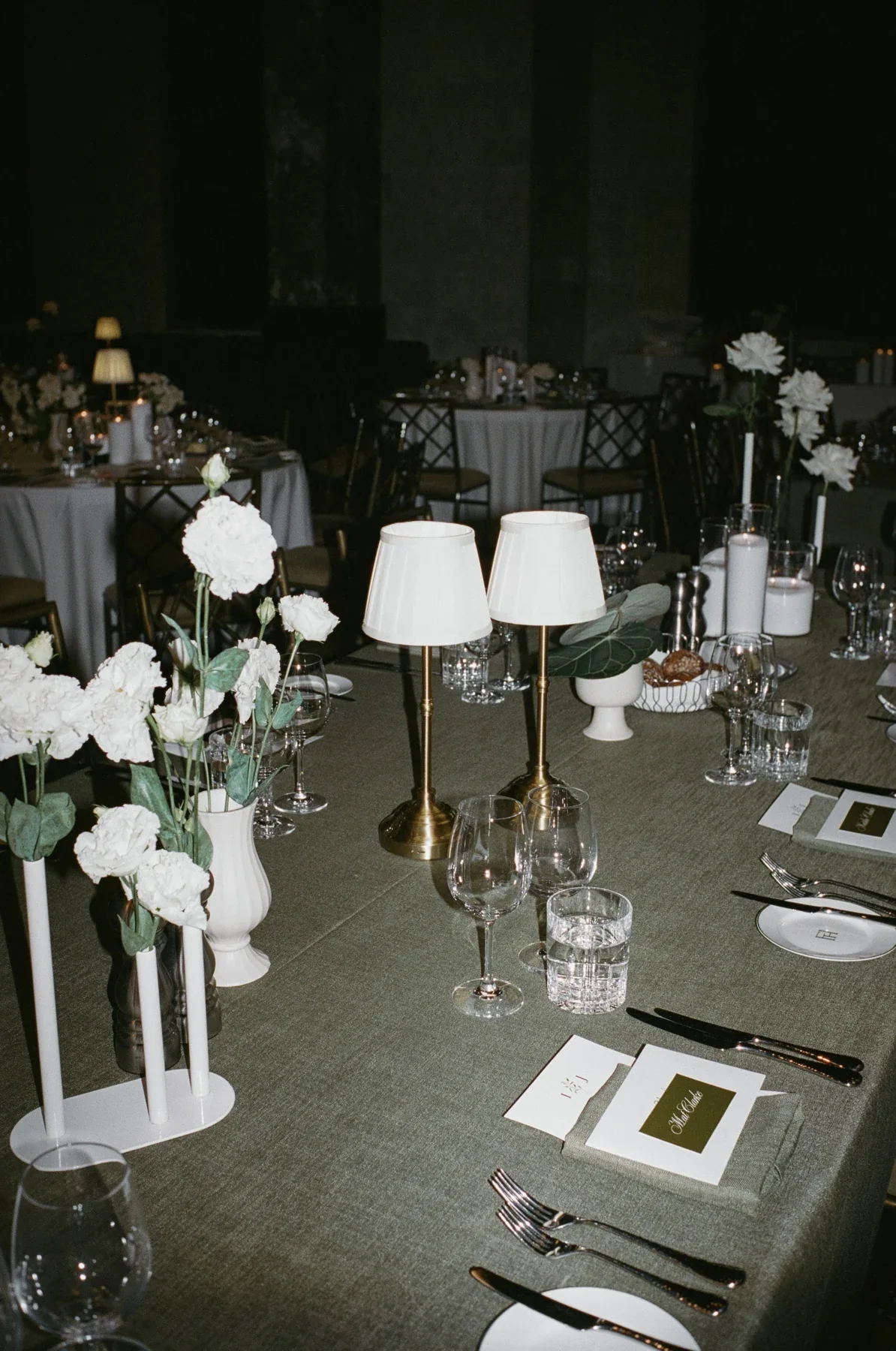
A portrait made in a bright stone courtyard will feel different from one made in a shaded garden. Clothing, season and the time of day also become part of an image. Even a very similar composition can have a different feeling once those things change.
Rather than trying to reproduce the background, look for the quality you want to carry across. If you love the simplicity of a portrait against a plain wall, we can consider a quieter backdrop within your venue. If it’s the expansive feeling of a landscape photograph, we can talk about how your own surroundings might offer that space.
Some references may ask for time away from the celebration or conditions that your plans don’t allow. That’s worth discussing beforehand, so we can work out what fits naturally into your plans and where a little extra time would help.
04
Include photographs from the work that brought you to us
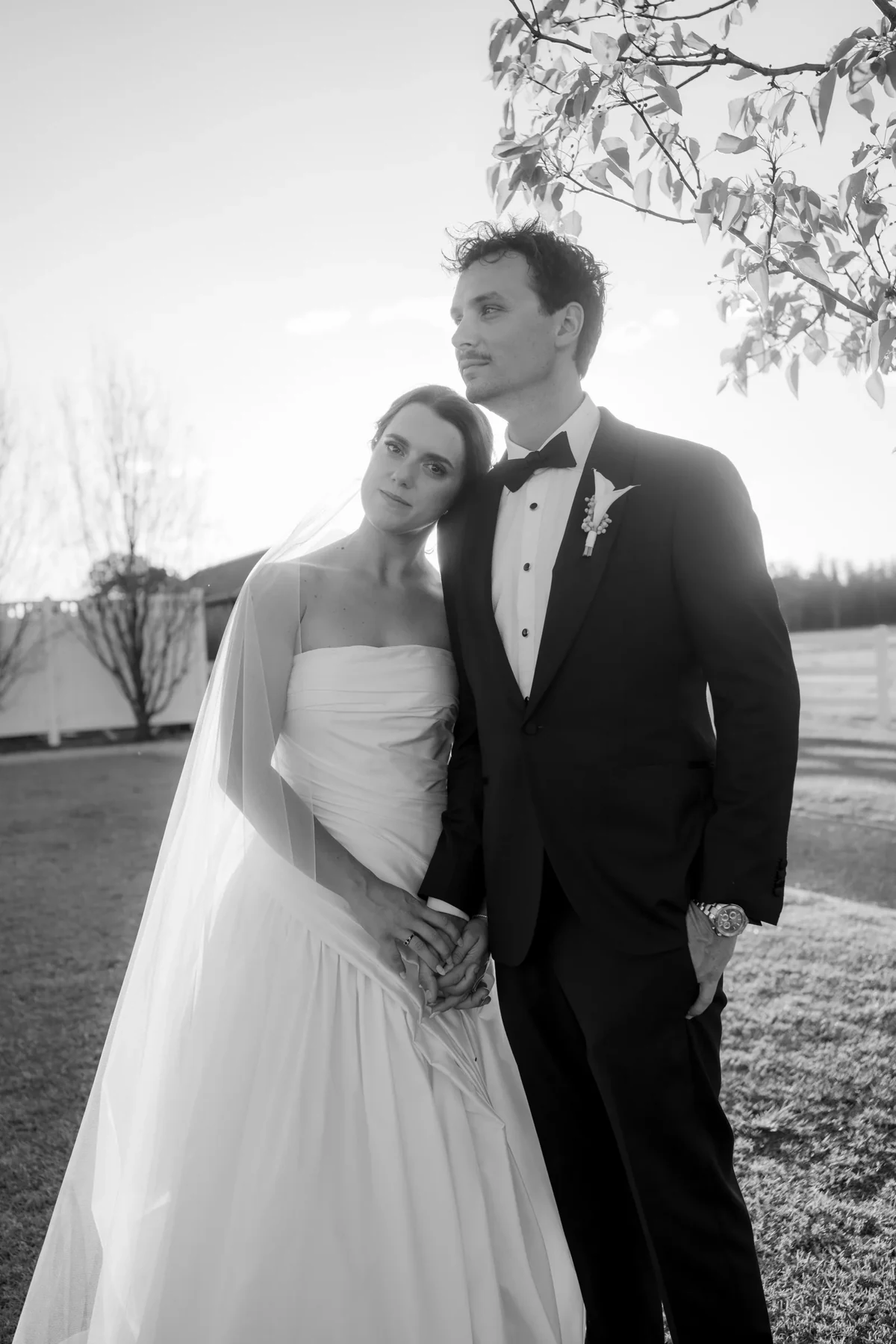
Your references don’t all need to come from our portfolio, but a few favourites from our work are especially helpful. They show us which parts of our approach you connect with, whether that’s more considered portraits, the way we photograph your guests or our use of the setting.
It’s also worth looking beyond isolated favourites. A full wedding gallery shows how portraits sit alongside the ceremony, family photographs and the evening. You might love a dramatic portrait but want the gallery as a whole to feel warmer and more involved.
We’ll bring our own eye and guidance to your wedding. A moodboard helps us understand you. We’ll interpret those references through our own approach, rather than try to imitate another photographer’s work.
05
Keep meaningful requests separate from the moodboard
There’s an important difference between inspiration and something you specifically want recorded. A photograph with your grandparents, a piece of jewellery with family history or a detail someone has made for you shouldn’t be left for us to infer from a board.
Tell us those things directly, alongside your family-photo list and anything we should know about your people. We can prepare for them without treating the whole wedding as a sequence of reference images to tick off.
A useful board can be short. Once several images are saying the same thing, choose the one that explains it best. Leave room for a conversation about what matters rather than adding more photographs to make the point.
06
Leave room for photographs you couldn’t have collected
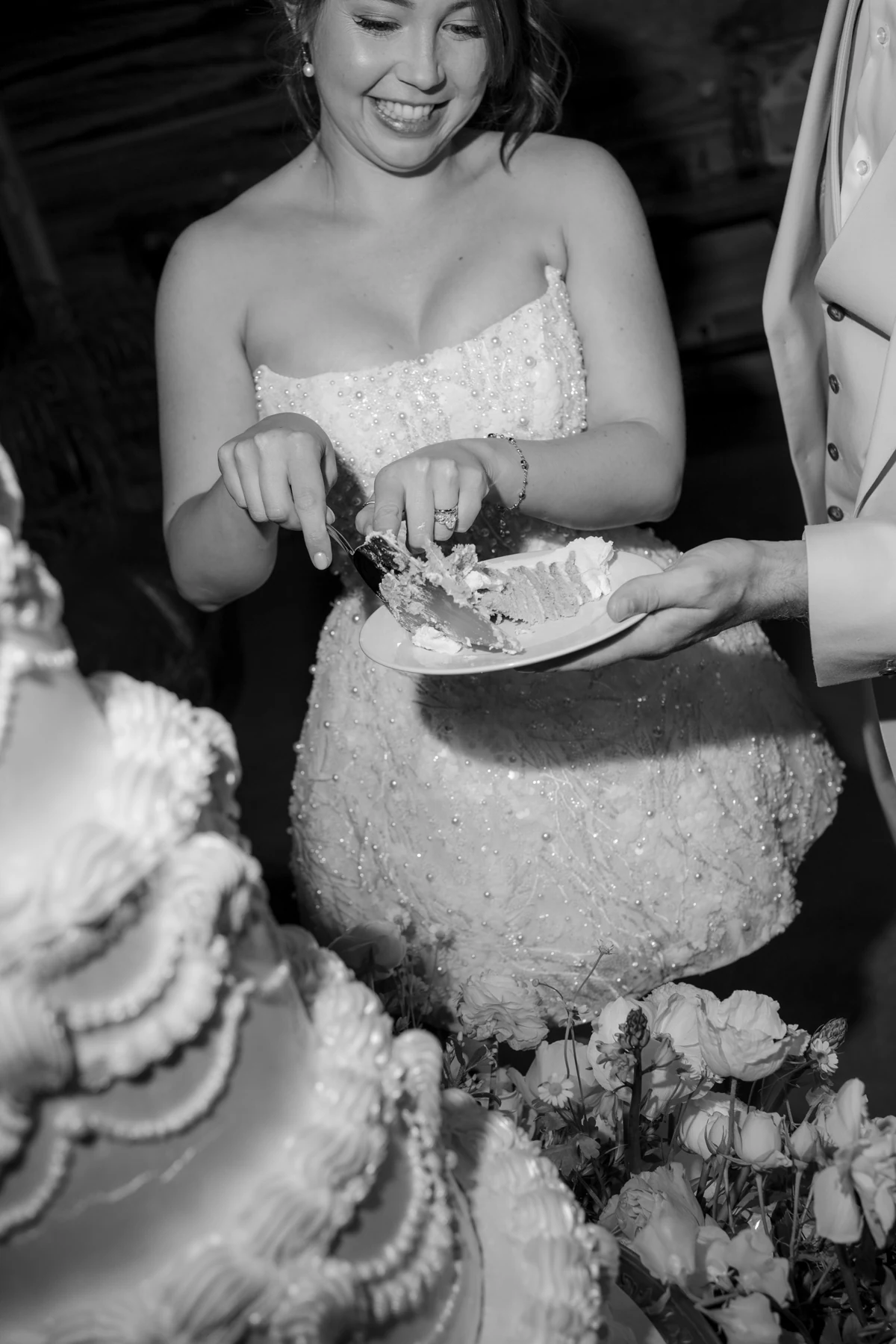
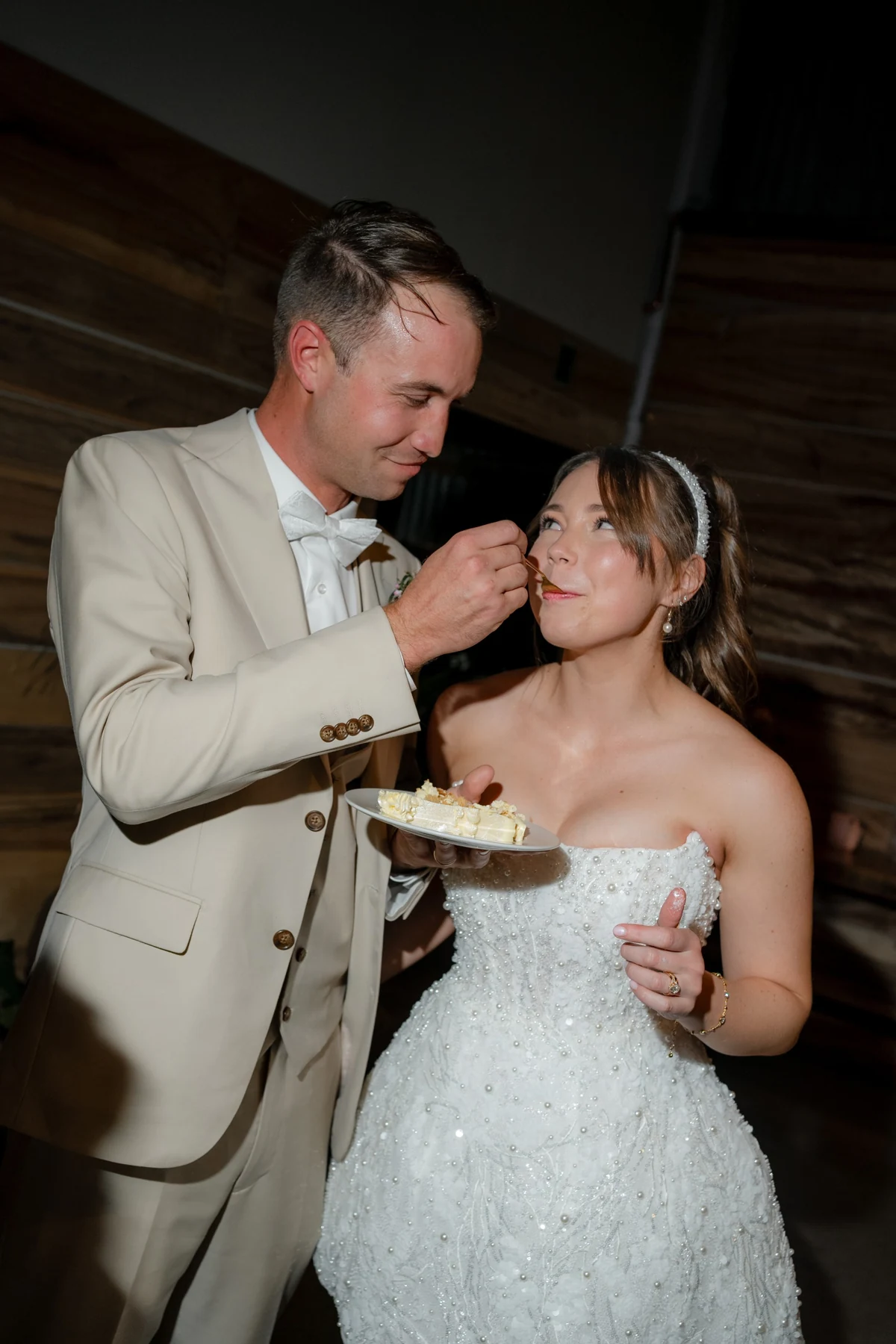
You can plan the atmosphere, choose the setting and tell us what you value. You can’t know every expression or interaction that will happen once your people are together. Those moments deserve the same attention as the photographs you’ve planned.
Our work combines clear guidance during portraits with attention to the day as it unfolds. We want to understand the images you’re drawn to, then remain present enough to notice something you haven’t already seen on a screen.
When you look back, we want you to recognise the way you were together and the people who were there.
Start with a few favourites and a sentence about each
You don’t need a perfectly designed presentation. Share the photographs you keep returning to, tell us why, and include anything you’re unsure about. We can take the conversation from there.