
Wedding photography
What does a second wedding photographer actually add?
Another photographer means another person paying attention. Here’s where that can make a difference.
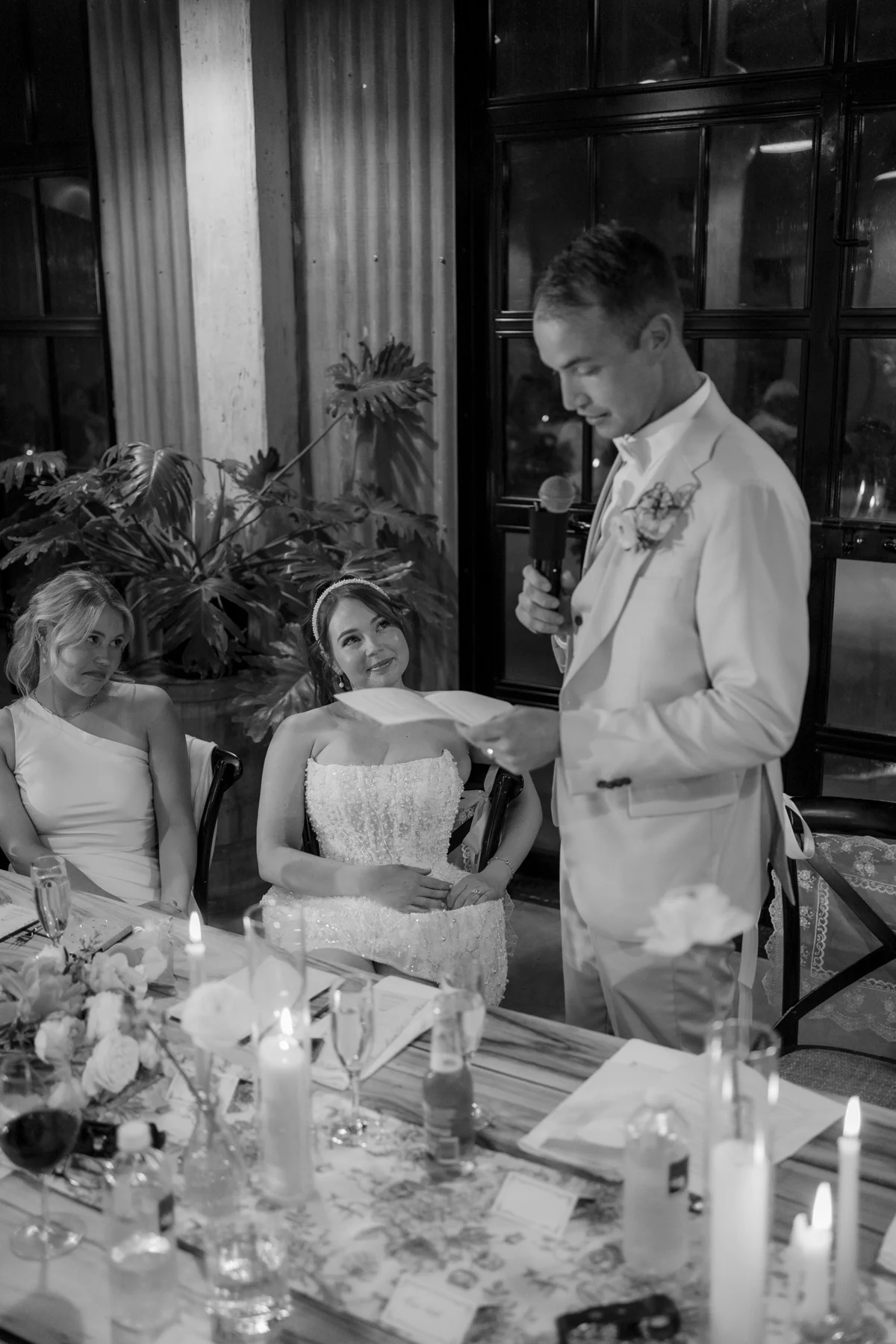
You might picture two wedding photographers standing beside each other, making slightly different versions of the same photograph. There are moments when both will be watching you, but the more interesting reason to have two is what happens when their attention goes in different directions.
While you’re listening to a speech, someone across the table is trying not to laugh. While you’re having portraits taken, your friends are settling into drinks. A second photographer gives those parts of the day more room in the photographs.
The value depends on how the team works together and what you want remembered. Here’s how we think about it.
01
The moment and the people responding to it
During a ceremony or speech, there’s an obvious place to look. The person speaking, the couple exchanging rings, the entrance everyone has been waiting for. There are also responses happening around that moment, sometimes only for a second.
With two photographers, one can stay with the main event while the other watches the people receiving it. You might see your own expression alongside a parent’s reaction, or the laughter spreading along a table.
One photographer can move between those perspectives too. Having another person there creates more opportunity to follow them at the same time, without asking anyone to repeat what just happened.
02
Different parts of the morning
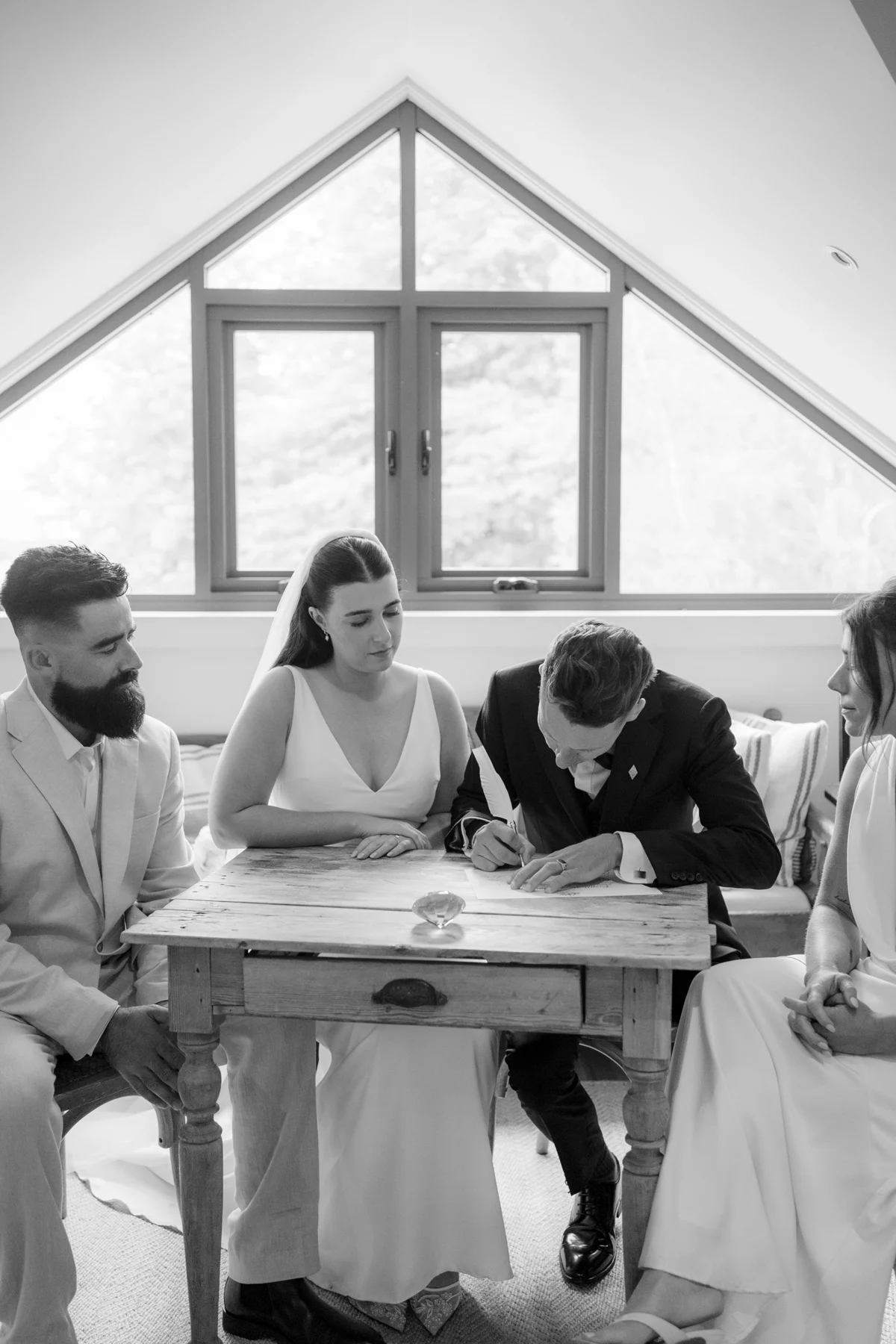
If you’re getting ready separately, you’re having two experiences before you come together. You may care about seeing the people, conversations and anticipation on both sides.
Two photographers can divide their attention between those spaces. That can be particularly valuable when the morning holds people or traditions you want documented, rather than simply being a way to fit more preparation photographs into the gallery.
Think about what you’d enjoy discovering afterwards. You might be curious about the atmosphere in your partner’s room, or want photographs of someone who will spend that part of the day with them. Those are useful reasons to discuss separate coverage.
03
Your guests have a day of their own
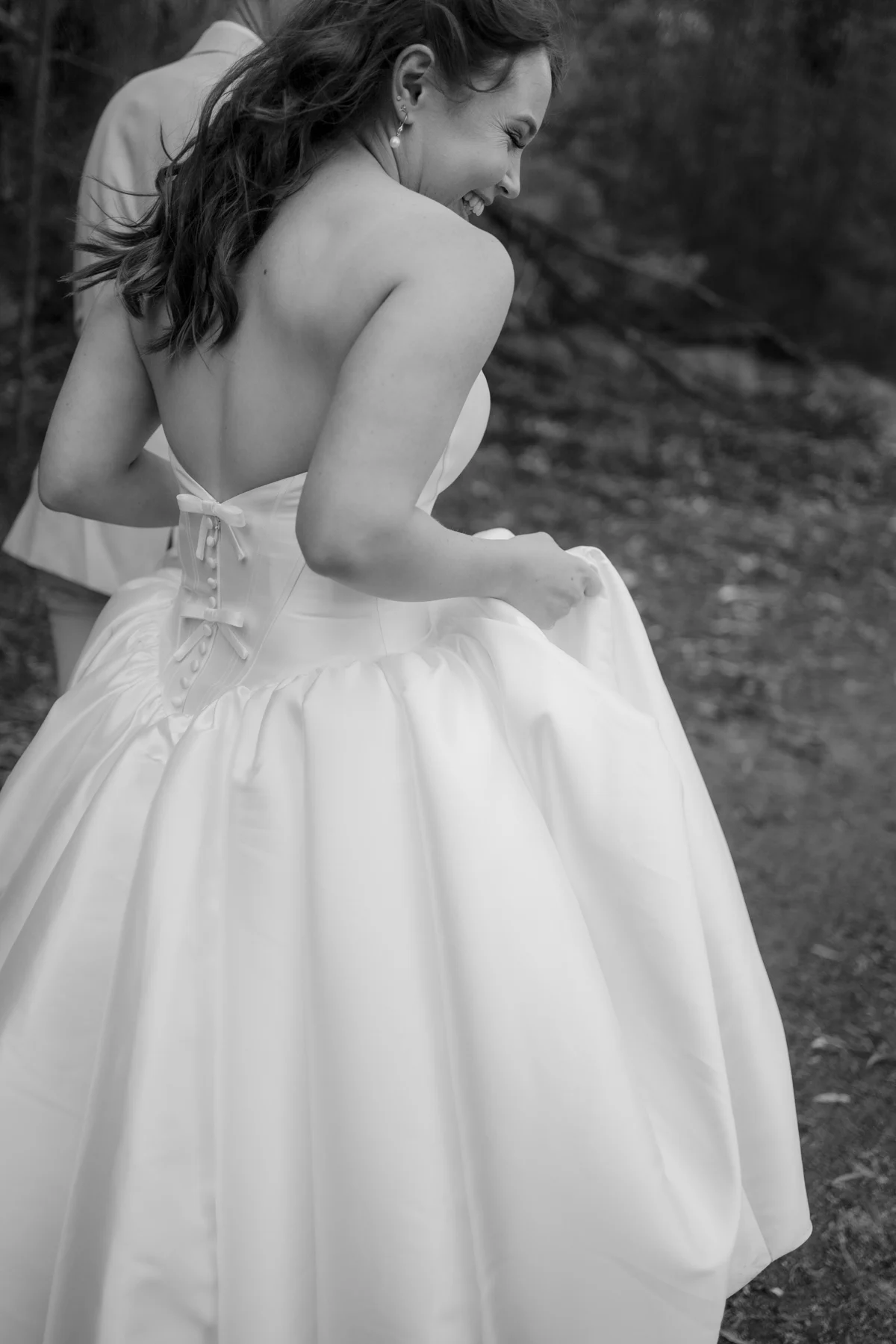
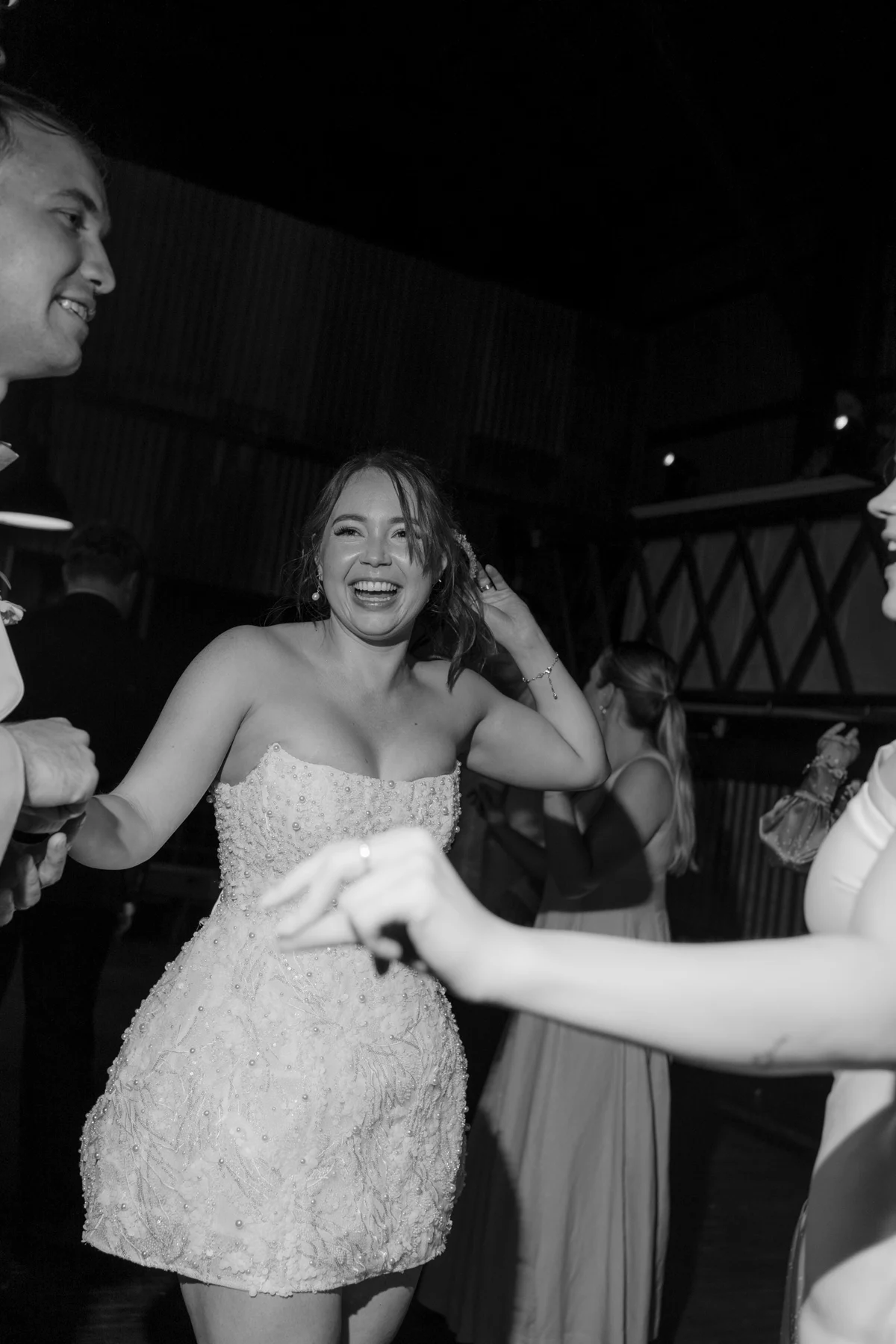
During couple portraits, the rest of the wedding keeps moving. Guests find old friends, meet new people and enjoy the setting you’ve chosen.
A second photographer can spend time among them while another works with you. That creates scope for photographs beyond the moments when everyone is gathered around the couple.
We’re interested in how people inhabit a wedding: the conversations, gestures, clothing and little exchanges. Those photographs can be visually considered while still responding to what’s happening. If your guests are a large part of what you want to remember, it’s worth asking how the photography team will give them attention. Our guide to what to tell your photographer about your guests is a useful place to start.
04
The working relationship matters
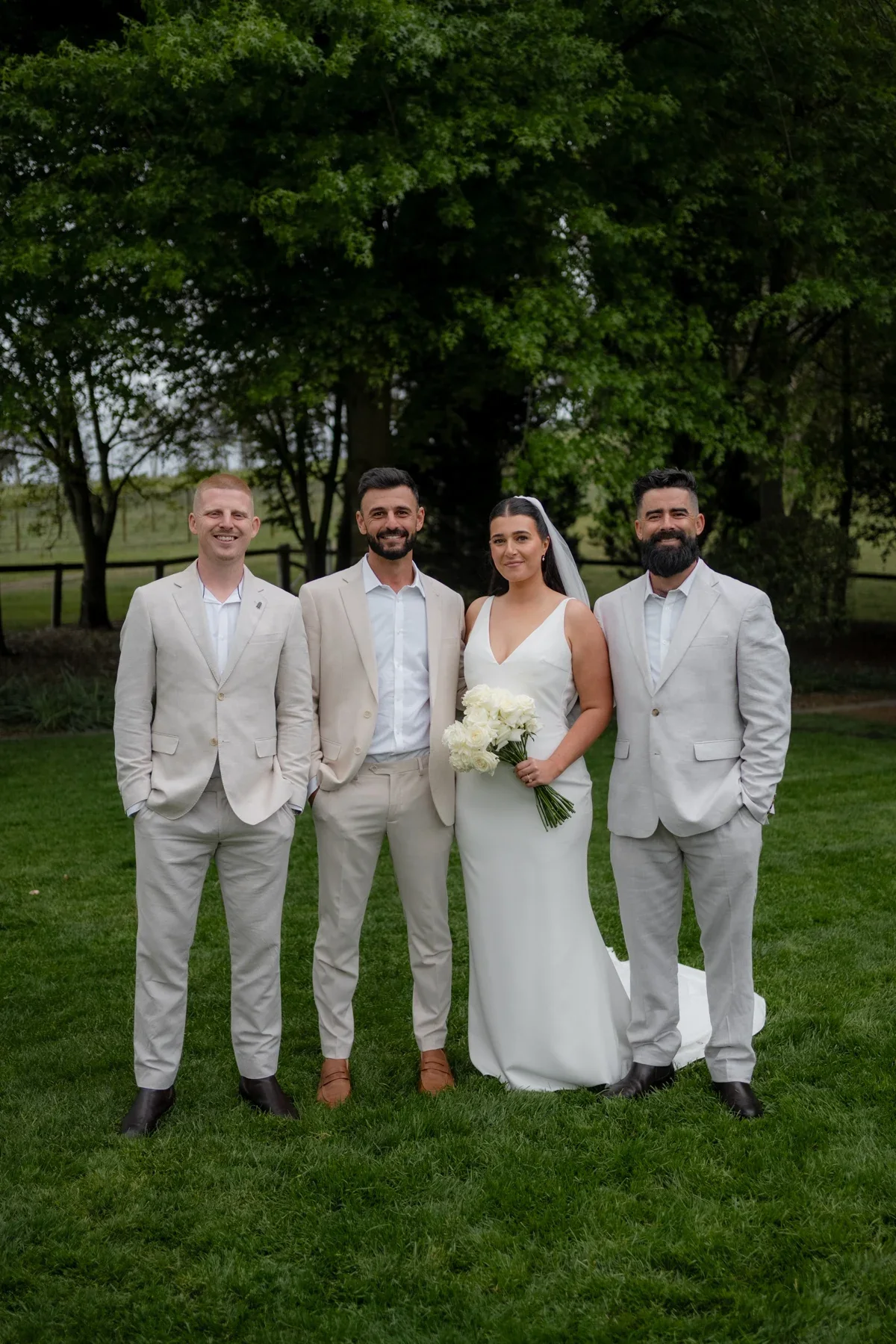
An extra camera alone doesn’t explain how a team will photograph your day. Their familiarity with each other, shared judgement and ability to work without competing for the same position matter too.
After nearly a decade working together, Taz and Reid can anticipate a lot of what the other needs. They can follow different parts of a celebration while keeping a shared sense of what they’re making.
When comparing collections, ask who will be photographing your wedding and how they work together. Two photographers should feel like a coordinated team, with a clear understanding of when to stay close and when to look elsewhere.
05
A second photographer and a guest portrait studio have different roles
If you’re considering the Portrait Experience, it helps to distinguish the photographer making guest portraits from someone moving through the wedding.
The Portrait Experience is dedicated, directed portraiture. A photographer spends time with each guest, paying attention to expression and posture. Candid coverage involves watching interactions as they happen elsewhere.
Both can be valuable, but one person cannot give those jobs their full attention simultaneously. Ask how the team’s roles will be arranged, so you understand what is being photographed while the studio is running. Your planner and photography team can work through the details together.
06
Start with what matters to you
Guest count is part of the conversation, but it isn’t the whole answer. A smaller wedding can still have separate preparations, meaningful guest interactions and several things happening at once.
Equally, one photographer may suit a celebration that stays together in one place. Having two does not guarantee a photograph of every guest or every fleeting moment.
Ask what the second photographer would contribute to your particular day. A useful answer should connect their role with your people, setting and priorities, rather than simply promising more images.
A fuller view of your celebration
If you’re weighing up photography options, tell us which parts of the day you’re most looking forward to and whose experience you’d love to see afterwards. We can talk through an approach that gives those things the attention they deserve.